
Technical sailmaker and bespoke nautical loft, specializing in artisanal marine textiles and precision naval engineering.
A New Era of Life on Board
Life on board has evolved. A modern vessel is no longer just a means of navigation; it is a floating home and office. High-definition streaming, video conferencing, and advanced navigation systems now demand clean, constant, and, above all, reliable power.

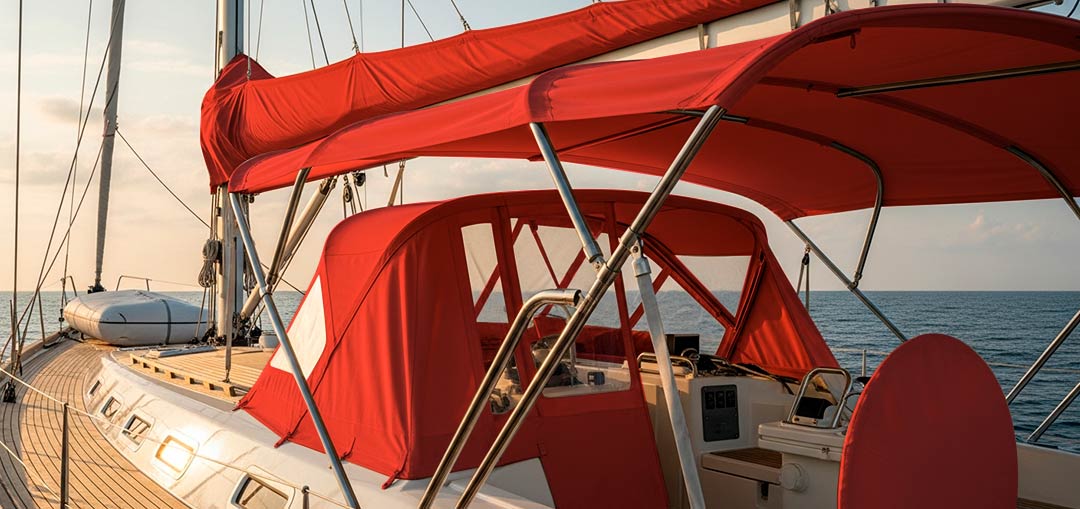
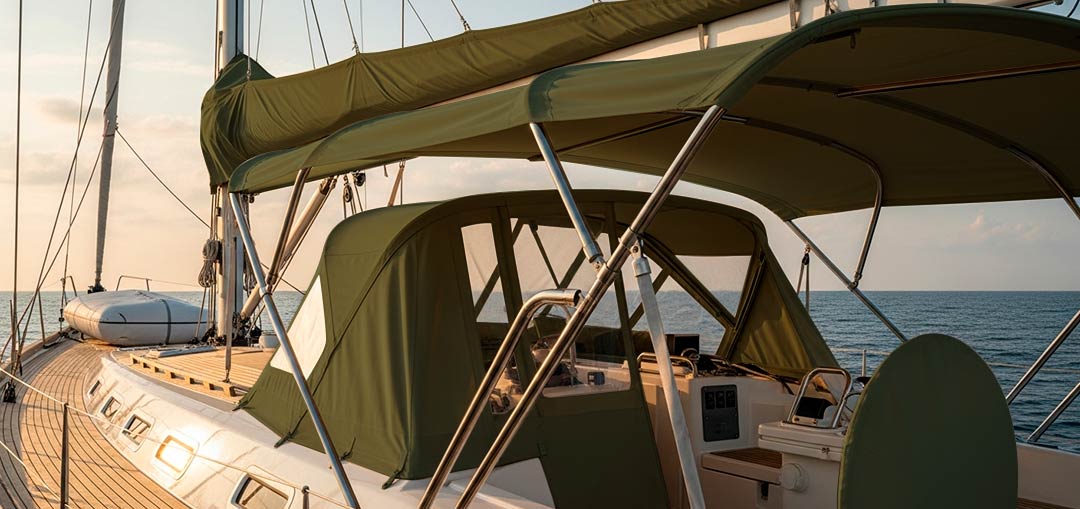
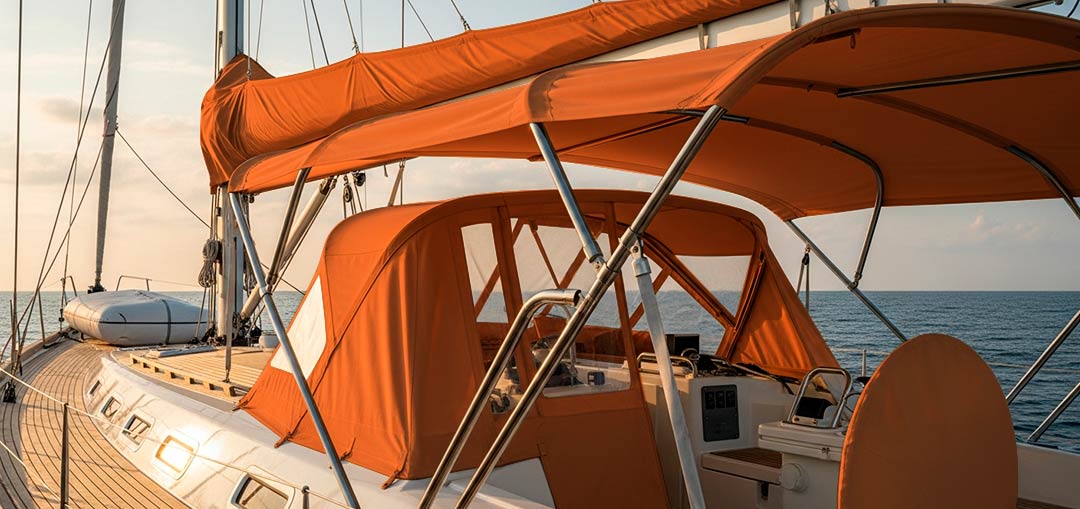
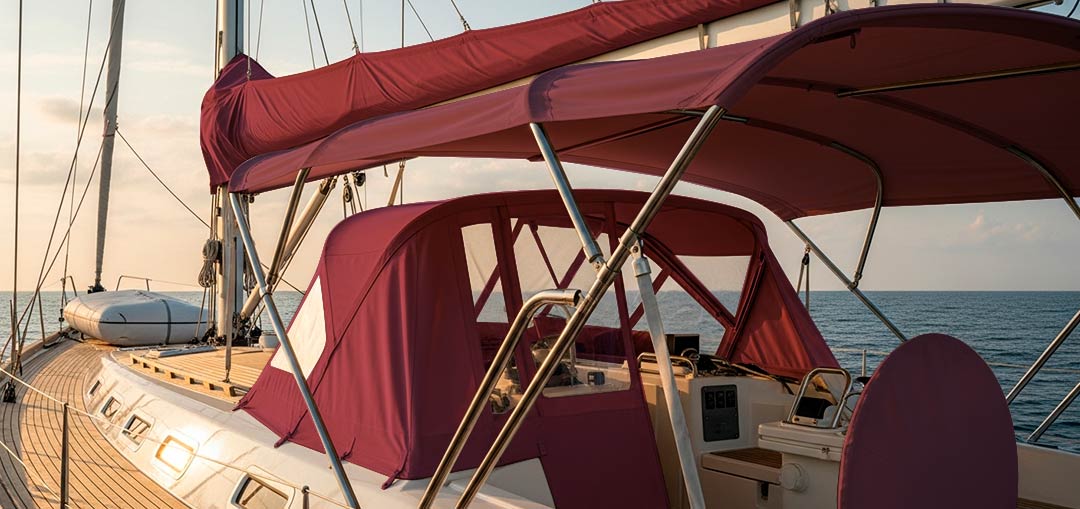
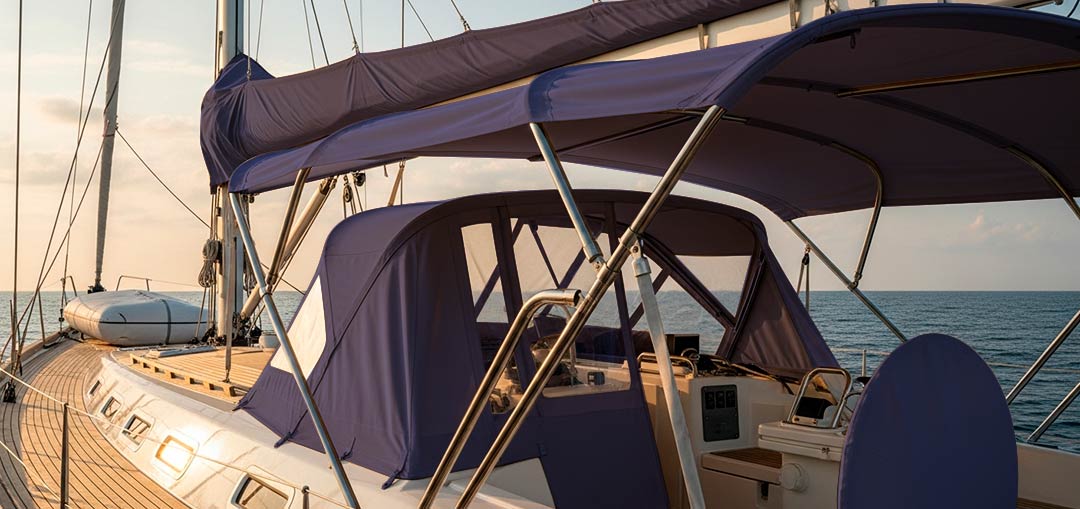






Master Craftsmanship in sailmaking
A technical sail loft and marine textile workshop driven by two core missions.
Firstly, we specialise in precision repairs and maintenance for high-performance sails, catering to both cruising and racing yachts.
Secondly, we design and custom-manufacture premium textile cover solutions, including biminis, sprayhoods, and covers.
Ocean Passage Preparation Survey
An ocean passage begins long before casting off; it is born from absolute confidence in every one of the vessel's systems. Any unresolved doubt in port is magnified hundreds of miles offshore, turning small questions into significant operational risks.
Critical Stress Point Audit

Standing and running rigging
Sails
Watertight Integrity
Bilge Systems
Onboard Safety Equipment
Battery Health Monitoring

Energy Autonomy
Propulsion and Steering Systms
The Strategic Value
of our location
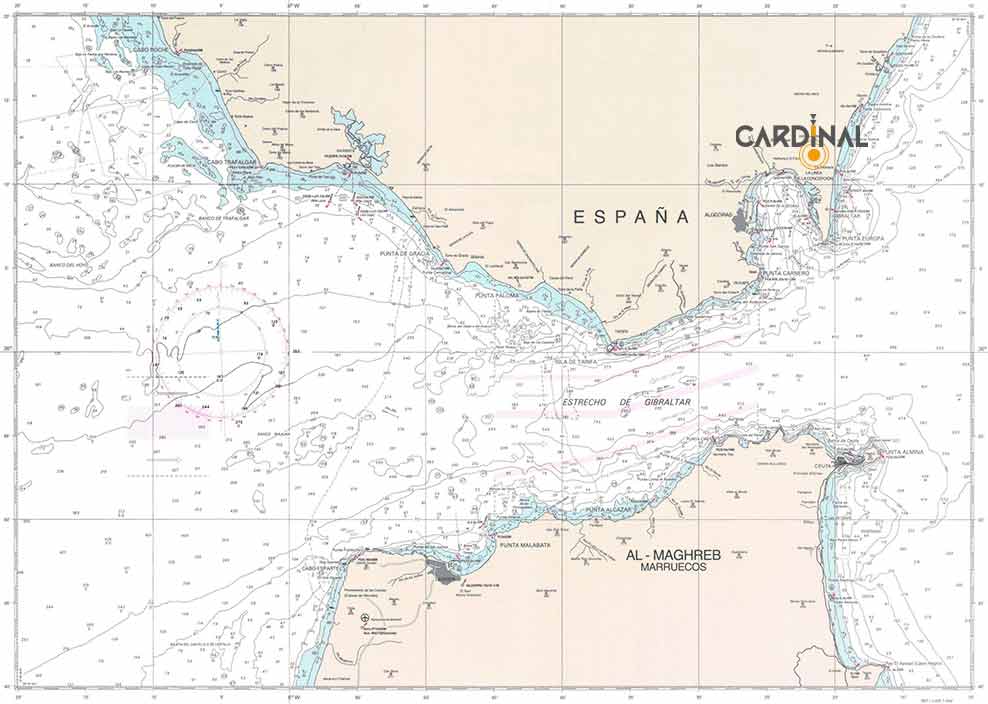
The Bay of Gibraltar is not merely a port of call; it is the most strategic and intelligent reference point for any yacht sailing at the crossroads of the Atlantic and the Mediterranean.
Our position makes us the ideal technical hub
Why did we choose the Bay of Gibraltar?

Global
Logistics
Immediate connection for international spare parts and proximity to airports.

Operational
Window
Favorable weather 365 days a year for outdoor work, polishing, and antifouling.

Certification
and Rigor
We apply engineering standards to every job we do on a vessel.
Frequently Asked Questions (FAQ)
Do you offer service to boats in transit?
Yes, we prioritize pre-voyage surveys and critical repairs for vessels en route.
Do you undertake "turnkey" projects?
Absolutely. We coordinate everything from the fabrication of stainless steel mounts to electronics integration and protective canvas work.
What are the risks of installing a marine toilet (head) below the waterline?
The primary risk is flooding due to the siphoning effect. CARDINAL’S technical solution involves installing vented loops with anti-siphon valves to break the vacuum within the pipework. While the vented loop prevents external water ingress, it is vital to regularly inspect the joker valve. This component prevents backflow of waste into the bowl, ensuring both hygiene and system reliability.
How can I prevent my watermaker membranes from failing prematurely?
Reverse osmosis is extremely sensitive to scaling. An automatic fresh-water flush system is essential to clear residual salt whenever the unit stops. Furthermore, rigorous management of sediment pre-filters prevents abrasive particles from reaching the membranes under high pressure, avoiding irreversible damage to these high-cost components.
Why is laser alignment superior to traditional methods?
Laser alignment offers micron-level precision and, unlike dial indicators, can compensate for the engine's thermal expansion during operation. It also detects and corrects "Soft Foot" issues and hull flexing—common in 6-24m yachts—eliminating vibrations that cause premature wear on seals and bearings.
Why is laser alignment superior to traditional methods?
Laser alignment offers micron-level precision and, unlike dial indicators, can compensate for the engine's thermal expansion during operation. It also detects and corrects "Soft Foot" issues and hull flexing—common in 6-24m yachts—eliminating vibrations that cause premature wear on seals and bearings.
When is ultrasonic injector cleaning necessary?
It is recommended whenever you notice a loss of power or excessive exhaust smoke. Ultrasonic cavitation removes carbon deposits from inaccessible internal passages, restoring the original spray pattern and optimising combustion to reduce fuel consumption and emissions.
How does Ceramic Coating protect my boat's gelcoat?
Nano-ceramic coating seals the pores of the gelcoat, creating a permanent hydrophobic barrier. This prevents salt spray and UV oxidation from penetrating the surface, making cleaning effortless and maintaining a mirror-like shine that preserves the vessel’s resale value.
A perfectly aligned propulsion system reduces structural vibrations, preventing deck hardware from loosening and minimising fatigue in critical handling areas.
Which antifouling should I choose: hard matrix or self-polishing?
The choice depends on your speed profile:
- Self-polishing (Erodible): Ideal for cruising yachts; it wears away gradually to release fresh biocide and prevents excessive paint build-up.
- Hard Matrix: Essential for high-speed powerboats (20 knots), as it withstands water friction without stripping off prematurely.>
How can I tell if my RIB/Tender is PVC or Hypalon?
The definitive test is using MEK solvent (Methyl Ethyl Ketone). When rubbed on a discreet area, PVC becomes tacky and the colour may transfer to the cloth. Hypalon, being a synthetic rubber, resists the solvent without becoming sticky and typically leaves a matte dust when lightly sanded.
Is it possible to repair a tear larger than 50mm in my tender's tubes?
Yes, via a "double-patch" procedure. An internal patch coated in two-part adhesive is inserted (using polythene for positioning) and, once cured, a second external patch is applied. This ensures a structural, airtight bond capable of withstanding full inflation pressure.
Is it safe to swap my lead-acid batteries for Lithium (LiFePO4)?
It is safe and highly recommended, provided the installation strictly adheres to ABYC E-13 standards. Lithium requires a mandatory BMS (Battery Management System) to monitor voltage and temperature and prevent thermal runaway. This is not a simple "drop-in" replacement but a re-engineering of the charging system.
What are the real-world benefits of Lithium vs. Lead-Acid?
Three strategic factors stand out: Charging speed: Up to four times faster, optimising alternator or generator use. Depth of Discharge (DoD): Use nearly 100% of capacity without degrading lifespan. Weight reduction: Improves hydrodynamic trim and hull performance.
Why is my NMEA 2000 network causing intermittent autopilot failures?
The technical cause is usually incorrect impedance in the backbone. A network must have two 120-ohm terminators. Diagnostic Pro-Tip: A correctly configured network should measure exactly 60 ohms in parallel when testing the data bus. Any deviation indicates faulty terminators or damaged cables causing data collisions.
Can I monitor my boat remotely when I'm away from the marina?
Yes. We implement systems like Siren Marine for 24/7 monitoring. This includes high-water bilge sensors, shore power disconnection alerts, and geofencing, which notifies you immediately if the vessel moves from its mooring due to theft or anchor drag.
The accuracy of electronic data must be supported by the mechanical integrity of components facing the harsh marine environment.
What is the most common mistake in winch maintenance?
Over-greasing is the critical error. At CARDINAL, we apply specific grease only to the gears and light oil to the pawls. Excess grease on the pawls can cause them to stick, allowing the winch to spin freely under load—a serious safety hazard.
Which material is better for my bimini: Sunbrella or Stamoid?
- Sunbrella (Acrylic): Notable for its breathability, making it ideal for preventing condensation and mildew in living areas.
- Stamoid (PVC-coated Polyester): Offers total waterproofing and dirt resistance, making it the preferred choice for heavy-duty covers and flybridge enclosures.
Why should I replace my polyester halyards with Dyneema (UHMPE)?
Dyneema offers an unrivalled strength-to-weight ratio and near-zero initial stretch. However, one must consider "creep" (elongation under constant load) and always protect the core with an outer cover to mitigate UV damage and improve grip in clutches/stoppers.
What grade of stainless steel is used for custom fabrications?
We exclusively use AISI 316 (Marine Grade). Our components are laser-cut to ensure millimetre precision and reduce thermal distortion, minimising fatigue at weld points and preventing the onset of galvanic corrosion.
Vessel operability depends as much on these mechanical components as it does on specialised logistical support for yachts in transit.
What is included in a CARDINAL "Passage Survey"?
It is a comprehensive inspection of critical points: hatch seals, manual and electric bilge systems, safety equipment expiry dates, and a rigorous steering system check—inspecting the rudder stock for deformation and the tension of the steering cables or chains.
How does galvanic corrosion affect my seacocks?
The interaction between dissimilar metals underwater creates a galvanic current that weakens through-hull fittings. At CARDINAL, we recommend transitioning to advanced composite materials like TruDesign, which eliminate the risk of electrolysis and require zero corrosion maintenance.